Qwen Image Max is a text-to-image model with high-quality image generation supporting Chinese and English prompts. Ready-to-use REST inference API, best performance, no coldstarts, affordable pricing.
Idle
$0.07per run·~14 / $1
ExamplesView all
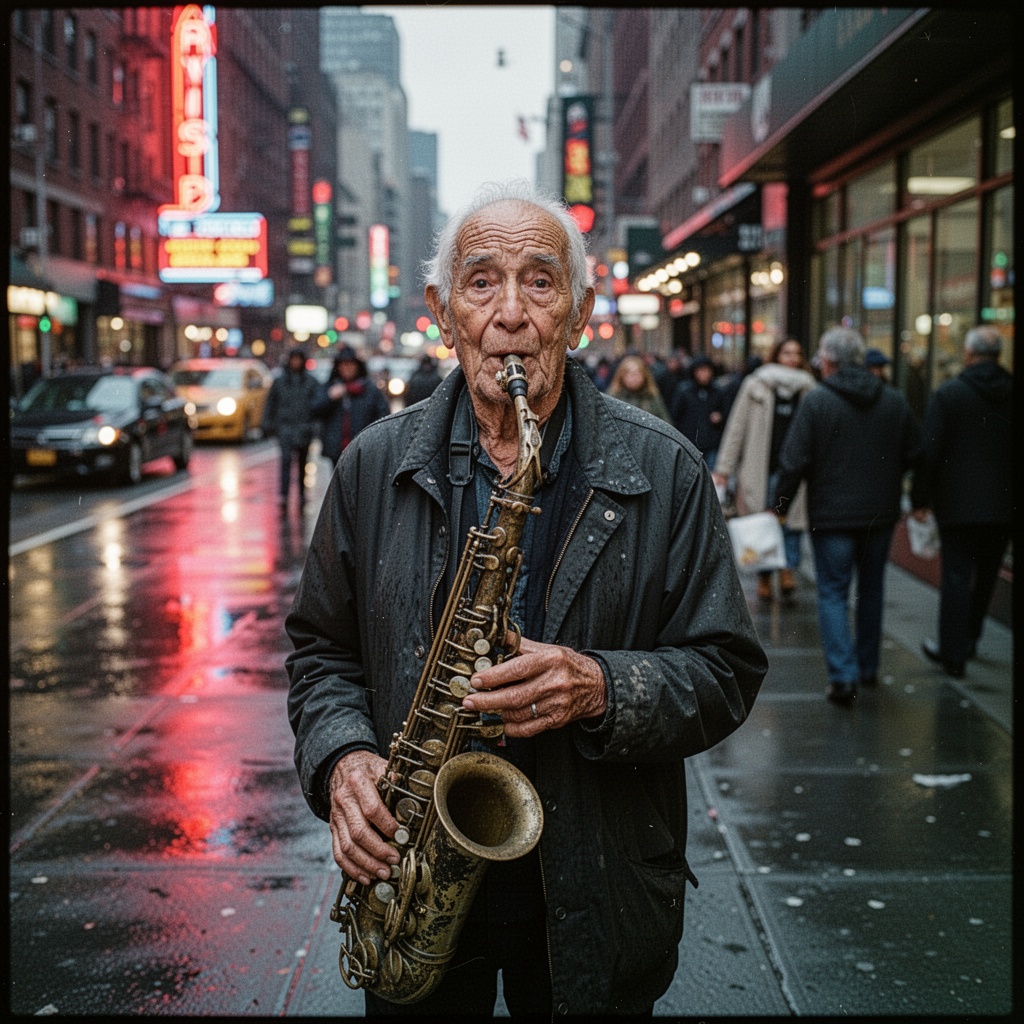
A candid street photograph of an elderly saxophone player on a bustling New York sidewalk at dusk. His face is expressive and wrinkled, and his instrument is tarnished. Wet pavement reflects neon signs and car lights. Shot on 35mm film, natural grain, documentary style.
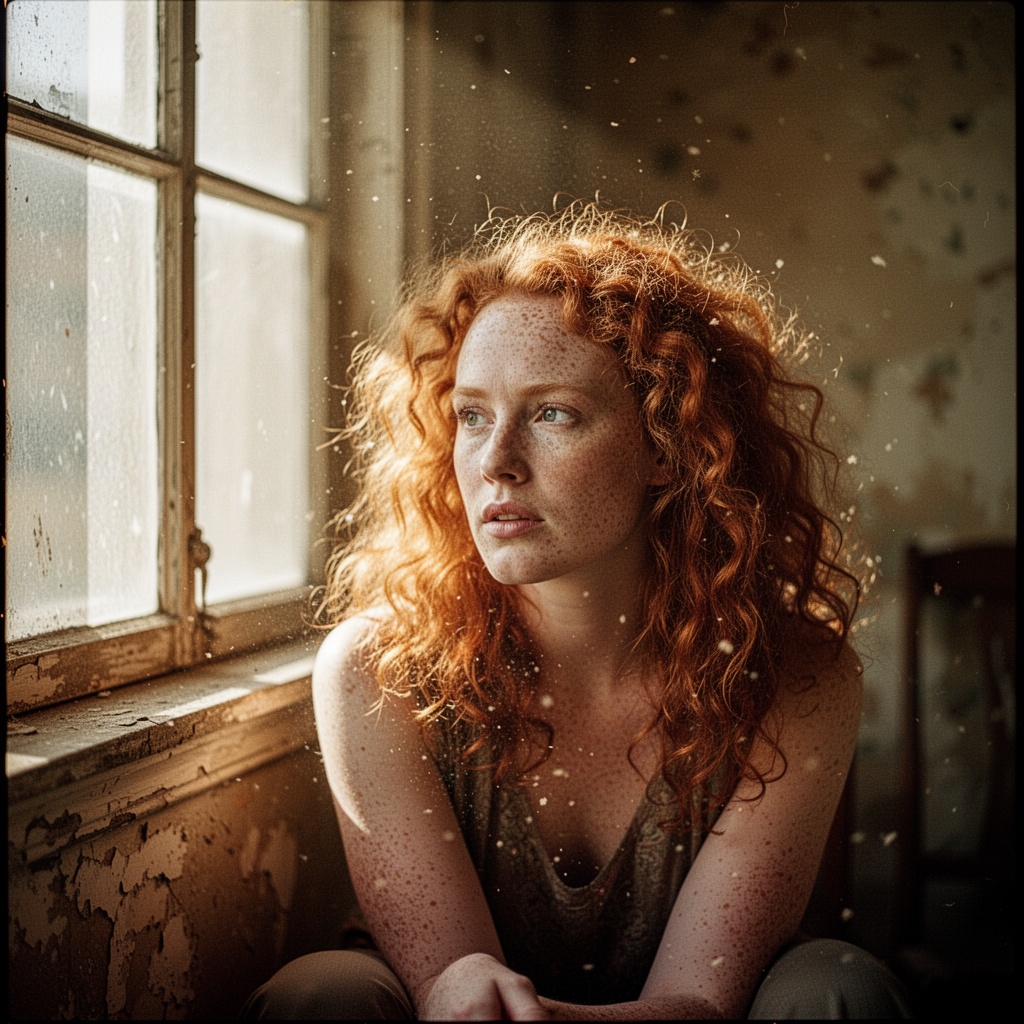
A cinematic portrait of a woman with freckles and wild, curly red hair, sitting by a window in an old, sunlit room. Dust motes dance in the light rays. She is looking off-camera with a contemplative expression. Warm color grading, shallow depth of field, shot on Kodak Portra 400.
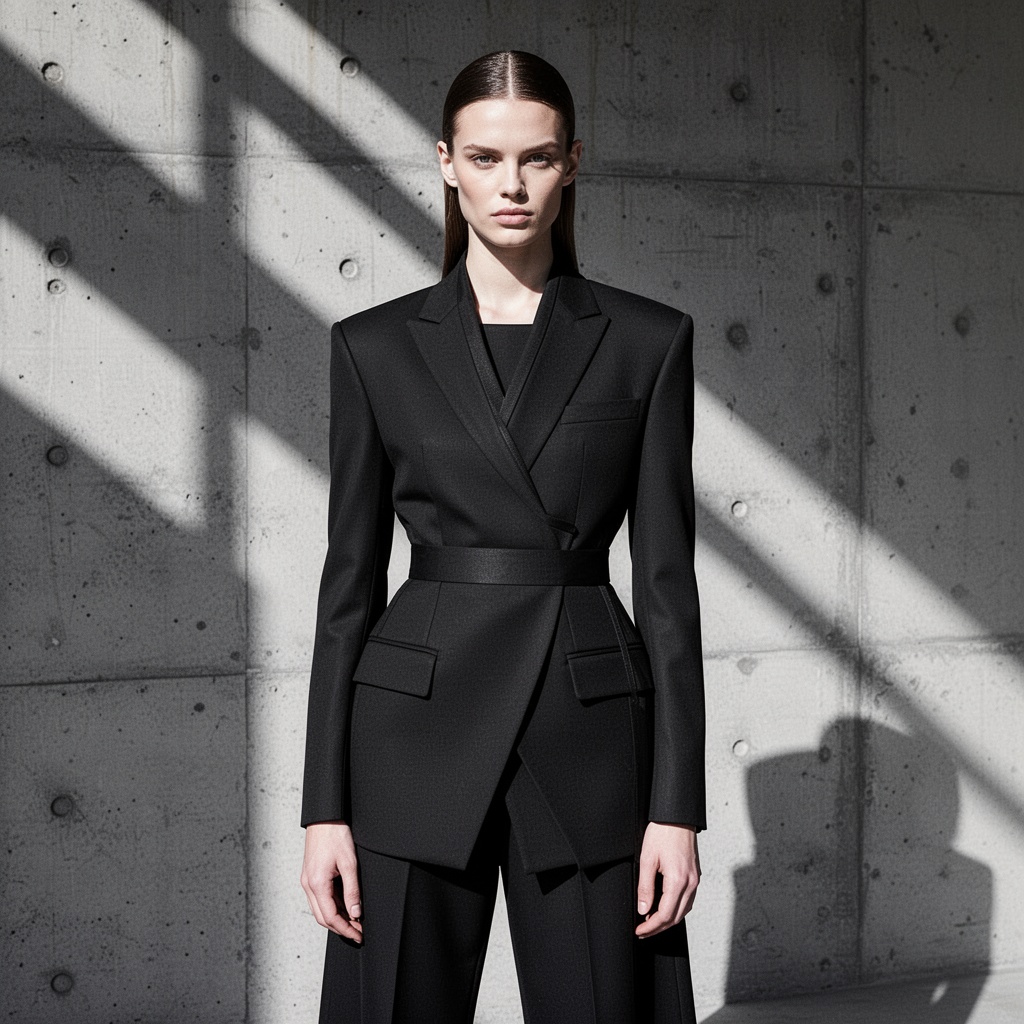
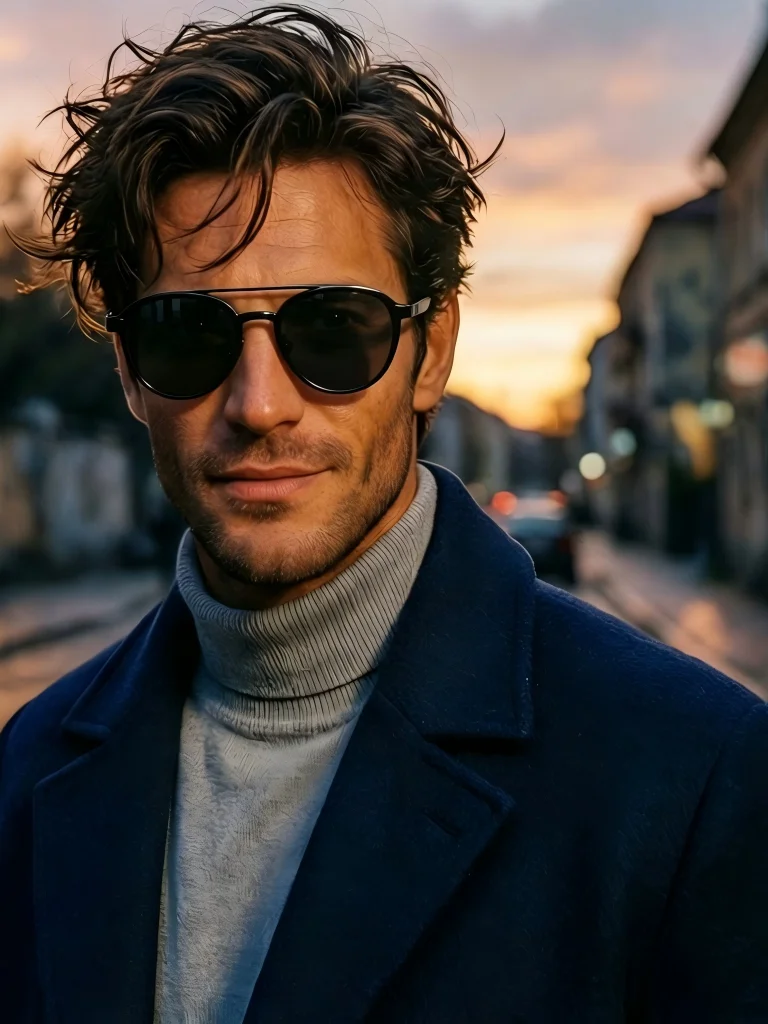
A minimalist fashion editorial shot of a model in a structured, avant-garde black outfit against a stark concrete wall. Strong architectural shadows cast across the scene. Neutral expression, slicked-back hair. High contrast, sharp focus, monochrome photography.
Related Models




README
Qwen-Image-Max Text-to-Image
Qwen-Image-Max Text-to-Image is flagship text-to-image generation model built on the Qwen-Image architecture. It delivers exceptional image quality with strong prompt adherence, supporting multiple aspect ratios and flexible output formats for professional creative workflows.
Why Choose This?
-
Premium image quality Generates highly detailed, coherent images with excellent composition and lighting.
-
Strong prompt following Accurately interprets complex descriptions including style, mood, and specific details.
-
Multiple aspect ratios Preset options for 1:1, 16:9, 9:16, 4:3, 3:4, 3:2, and 2:3 to fit any platform.
-
Flexible sizing Custom width and height from 256 to 1536 pixels for precise control.
-
Multiple output formats Export as JPEG, PNG, or WebP based on your needs.
-
Prompt Enhancer Built-in tool to automatically improve your prompts for better results.
Parameters
| Parameter | Required | Description |
|---|---|---|
| prompt | Yes | Text description of the image you want to generate |
| size | No | Preset aspect ratio: 1:1, 16:9, 9:16, 4:3, 3:4, 3:2, 2:3 |
| width | No | Output width in pixels (256-1536, default: 1024) |
| height | No | Output height in pixels (256-1536, default: 1024) |
| seed | No | Random seed for reproducibility (-1 for random) |
How to Use
- Write your prompt — describe the image in detail, including style, lighting, and composition.
- Select size preset — choose an aspect ratio that fits your needs.
- Adjust dimensions (optional) — fine-tune width and height if needed.
- Set seed (optional) — use a specific seed for reproducible results, or -1 for random.
- Run — submit and download your image.
Pricing
| Output | Cost |
|---|---|
| Per image | $0.07 |
Best Use Cases
- Professional Photography — Generate photorealistic images with studio-quality lighting.
- Fashion & Editorial — Create high-contrast, stylized fashion imagery.
- Marketing & Advertising — Produce polished visuals for campaigns and social media.
- Concept Art — Visualize ideas with detailed, coherent compositions.
- Product Visualization — Generate lifestyle and product imagery.
Pro Tips
- Use the Prompt Enhancer to automatically refine your descriptions.
- Include specific style keywords like "monochrome photography", "high contrast", "sharp focus" for better results.
- Describe lighting conditions, camera angles, and mood for more precise outputs.
- Use seed -1 for variety, or set a specific seed when iterating on a concept.
- Choose WebP for smaller file sizes with good quality, PNG for transparency support.
Notes
- Resolution range is 256-1536 pixels for both width and height.
- Seed value -1 generates a random seed each time.
- For best results, write detailed prompts with specific visual attributes.
Related Models
- Qwen-Image-Max Edit — Edit existing images with text instructions.
- Qwen-Image Edit-Plus — Advanced image editing with bilingual text support.
Qwen Image Max Text To Image API — Quick start
Grab a WaveSpeedAI API key, then call POST https://api.wavespeed.ai/api/v3/wavespeed-ai/qwen-image-max/text-to-image with your input as JSON. The endpoint returns a prediction id; poll the prediction endpoint until status flips to completed, then read the output URL from data.outputs[0]. Examples for Qwen Image Max Text To Image below.
HTTP example
# Submit the prediction
curl -X POST "https://api.wavespeed.ai/api/v3/wavespeed-ai/qwen-image-max/text-to-image" \
  -H "Content-Type: application/json" \
  -H "Authorization: Bearer $WAVESPEED_API_KEY" \
  -d '{
    "prompt": "A cinematic shot of a city at sunset, soft golden light",
    "size": "1024*1024",
    "seed": -1
}'

# Response includes a prediction id. Poll for the result:
curl -X GET "https://api.wavespeed.ai/api/v3/predictions/{request_id}/result" \
  -H "Authorization: Bearer $WAVESPEED_API_KEY"

# When status is "completed", read the output from data.outputs[0].
Node.js example
// npm install wavespeed
const WaveSpeed = require('wavespeed');

const client = new WaveSpeed(); // reads WAVESPEED_API_KEY from env

const result = await client.run("wavespeed-ai/qwen-image-max/text-to-image", {
        "prompt": "A cinematic shot of a city at sunset, soft golden light",
        "size": "1024*1024",
        "seed": -1
});

console.log(result.outputs[0]); // → URL of the generated output
Python example
# pip install wavespeed
import wavespeed

output = wavespeed.run(
    "wavespeed-ai/qwen-image-max/text-to-image",
    {
    "prompt": "A cinematic shot of a city at sunset, soft golden light",
    "size": "1024*1024",
    "seed": -1
}
)

print(output["outputs"][0])  # → URL of the generated output
Qwen Image Max Text To Image API — Frequently asked questions
What is the Qwen Image Max Text To Image API?
Qwen Image Max Text To Image is a WaveSpeedAI model for image generation, exposed as a REST API on WaveSpeedAI. Qwen Image Max is a text-to-image model with high-quality image generation supporting Chinese and English prompts. Ready-to-use REST inference API, best performance, no coldstarts, affordable pricing. You can call it programmatically or try it from the playground above.
How do I call the Qwen Image Max Text To Image API?
POST your input parameters to the model's REST endpoint (shown in the API tab of this playground) with your WaveSpeedAI API key in the Authorization header. Submission returns a prediction ID; poll the prediction endpoint until status flips to "completed", then read the output URL from the result. The playground generates a ready-to-paste code sample in Python, JavaScript, or cURL for whatever inputs you've set. Full request/response shape is documented at https://wavespeed.ai/docs/docs-api/wavespeed-ai/qwen-image-max-text-to-image.
How much does Qwen Image Max Text To Image cost per run?
Qwen Image Max Text To Image starts at $0.070 per run. That figure is the base price — the final charge scales with the parameters you set in the form (output size, length, count, references, or whatever knobs this model exposes), so a higher-quality or larger output costs more than a minimal one. The exact cost for your current input is shown live next to the Generate button before you submit, and the actual per-call charge is recorded on the prediction afterwards.
What inputs does Qwen Image Max Text To Image accept?
Key inputs: `prompt`, `size`, `seed`. The full JSON schema (types, defaults, allowed values) is rendered above the Generate button and mirrored in the API reference at https://wavespeed.ai/docs/docs-api/wavespeed-ai/qwen-image-max-text-to-image.
How long does Qwen Image Max Text To Image take to generate?
Average end-to-end generation time on WaveSpeedAI is around 24 seconds per request — measured across recent runs. Queue time scales with global demand; live status is visible in the prediction record.
Can I use Qwen Image Max Text To Image outputs commercially?
Commercial usage rights depend on the model's license, set by its provider (WaveSpeedAI). The license summary appears on the model card above; see WaveSpeedAI's Terms of Service for platform-level conditions.